
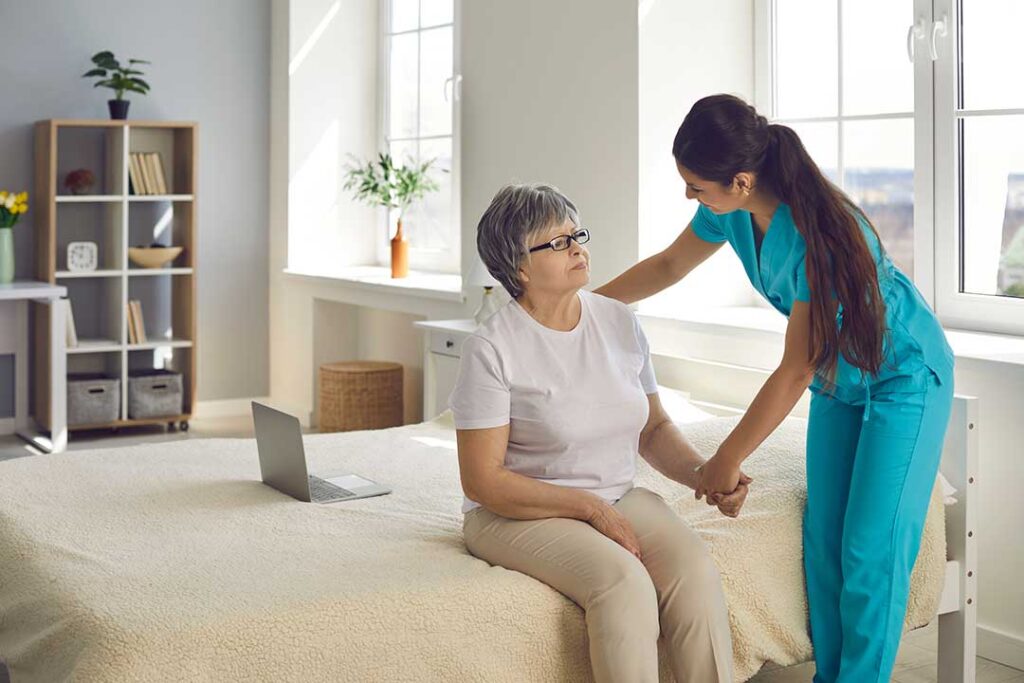
Assisted living is designed to provide support without taking away a person’s ability to make choices, follow routines, and participate in everyday life. For residents of Aspinwall, PA, this can mean receiving help with selected tasks while continuing to direct personal decisions, maintain relationships, and remain involved in the community.
The purpose is not to replace independence. It is to make independent living safer and more manageable when certain daily activities have become difficult.
What does independence mean in assisted living?
Independence does not always mean doing every task without help. In assisted living, independence usually means having control over meaningful parts of daily life while receiving assistance with activities that create safety concerns, fatigue, or frustration.
A resident may still decide:
- What time to wake up and go to bed
- Which clothing to wear
- What foods to eat
- How to spend free time
- Which activities to attend
- When to visit or call family members
- How to arrange personal belongings and living space
Support may be provided for bathing, dressing, medication reminders, transportation, housekeeping, or mobility. The resident remains involved in deciding how that support is delivered whenever possible.
This distinction matters because removing every challenge from a person’s day can also remove opportunities for movement, decision-making, and confidence.
How does assistance with daily tasks preserve independence?
Help with routine activities can allow a person to keep doing the parts of life that matter most. A resident who needs assistance getting dressed may still choose an outfit, prepare for an activity, or meet friends for a meal.
Assisted living support commonly includes help with:
- Bathing, grooming, or dressing
- Toileting and continence care
- Moving safely between rooms
- Medication reminders or medication management, depending on local rules and care needs
- Meal access and nutrition
- Laundry and housekeeping
- Transportation for errands, appointments, or social activities
The level of help should match the person’s needs rather than exceed them. Over-assistance can weaken skills and confidence, while too little support can increase the risk of falls, missed medications, poor nutrition, or isolation.
A useful care plan identifies what the resident can do alone, what requires supervision, and what should be completed by another person.
Can residents make their own choices?
Yes. Personal choice is a central part of supporting independence, although choices may be shaped by safety needs or medical instructions.
A resident may be offered choices about meals, bathing times, activities, visitors, clothing, and personal routines. Even simple decisions can help maintain a sense of control. For someone adjusting to a new living arrangement, choosing where to keep familiar furniture or photographs may be especially meaningful.
Choice also includes the right to decline an activity or request a different approach, provided the decision does not create an immediate and serious safety concern. Families and care staff may need to discuss risks, but preserving dignity requires more than making decisions for the resident.
How does assisted living support safe mobility?
Mobility support can make it possible for residents to continue moving around rather than limiting themselves to a bedroom or chair. Safer hallways, accessible bathrooms, handrails, elevators, seating areas, and appropriate lighting can reduce unnecessary barriers.
Support may include:
- Walking assistance
- Use of a walker, cane, or wheelchair
- Help transferring from a bed or chair
- Fall-prevention routines
- Exercise or movement programs appropriate to the resident
- Reminders to use mobility equipment correctly
Seasonal conditions in Aspinwall can also affect mobility. Cold temperatures, wet surfaces, and winter precipitation may make outdoor walking more difficult at certain times of year. A safe setting allows residents to remain active indoors when outdoor conditions are poor, while still supporting outdoor time when conditions permit.
Mobility goals should be specific. For one resident, success may mean walking independently to meals. For another, it may mean safely transferring to a wheelchair or participating in seated exercise.
Does assisted living help prevent social isolation?
Regular opportunities for connection can support emotional independence as well as physical well-being. Residents are more likely to maintain routines and interests when social activities are accessible and participation is voluntary.
Common opportunities may include:
- Shared meals
- Exercise or movement groups
- Games, crafts, music, or educational programs
- Outdoor sitting areas
- Religious or cultural activities
- Family visits
- Small-group conversations
- Transportation for community activities

A person does not need to attend every group activity to benefit from a socially supportive setting. Some residents prefer quiet conversations, reading, gardening, or spending time with one or two familiar people.
For local households, proximity can also matter. A setting that makes visits easier may help residents maintain family connections without requiring relatives to manage every aspect of care during each visit.
How do routines support confidence?
Predictable routines can reduce stress and help residents remember what happens next. Regular meal times, medication schedules, activities, and rest periods may make the day easier to understand and navigate.
Routines should not become rigid schedules that eliminate personal choice. The best approach balances consistency with flexibility. A resident may benefit from knowing when meals are available while still choosing whether to eat in a shared dining area or in a private space, when that option exists.
Familiar routines can also help people living with memory loss. Clear signs, consistent room arrangements, adequate lighting, and repeated daily patterns may make it easier to locate important areas and complete tasks with less assistance.
What role does technology play?
Technology can support independence when it is simple, appropriate, and used with the resident’s knowledge. Examples may include medication reminders, emergency call systems, motion sensors, electronic calendars, hearing assistance, and video calls with family.
Technology should not be treated as a substitute for human attention. Devices require charging, maintenance, accurate settings, and regular review. Privacy should also be considered, particularly when monitoring systems are used.
The goal is to support safety while preserving dignity. A device that allows a resident to request help independently may be empowering. A system that monitors every movement without clear explanation may feel intrusive.
How can families support independence?
Family members can help by focusing on abilities rather than assuming that assistance is needed for everything. Useful questions include:
- What can the resident still do safely?
- Which tasks are tiring but manageable?
- What type of help is preferred?
- Which routines are personally meaningful?
- What changes would make an activity easier?
- Are there signs that support needs have changed?
Families can bring familiar objects, encourage participation in decisions, and allow extra time for the resident to complete tasks. Taking over too quickly may save time but can reduce confidence and skill.
Support plans should also be reviewed after a fall, illness, hospitalization, medication change, or noticeable change in memory, balance, appetite, or mood. Independence is not fixed; it can improve with practice, appropriate equipment, rehabilitation, or a better-matched routine.
What should residents ask before choosing assisted living?
Residents and families should ask specific questions about how independence is handled in everyday practice:
- Can residents choose when to wake, bathe, and go to bed?
- How are care plans created and updated?
- What happens if a resident refuses assistance?
- Are mobility aids and personal equipment accommodated?
- What activities are available for different interests and abilities?
- How are outdoor activities handled during poor weather?
- How are medication changes and health concerns communicated?
- Can residents furnish or personalize their living space?
- What emergency systems are available?
- How are privacy and personal preferences protected?
Assisted living supports independence best when care is individualized, choices are respected, and safety measures are explained rather than imposed without discussion. For residents and families in Aspinwall, the most useful question is not simply whether help is available, but whether that help allows the resident to keep directing daily life.
