
What kinds of activities are available in assisted living?
Assisted living communities typically offer a mix of social, physical, creative, educational, spiritual, and recreational activities. The goal is not simply to keep residents busy. Well-planned recreation supports movement, confidence, social connection, personal interests, and a sense of daily purpose.
Activities may include:
- Group exercise, stretching, balance practice, or seated movement
- Music programs, sing-alongs, concerts, and rhythm activities
- Arts and crafts, painting, seasonal projects, or knitting
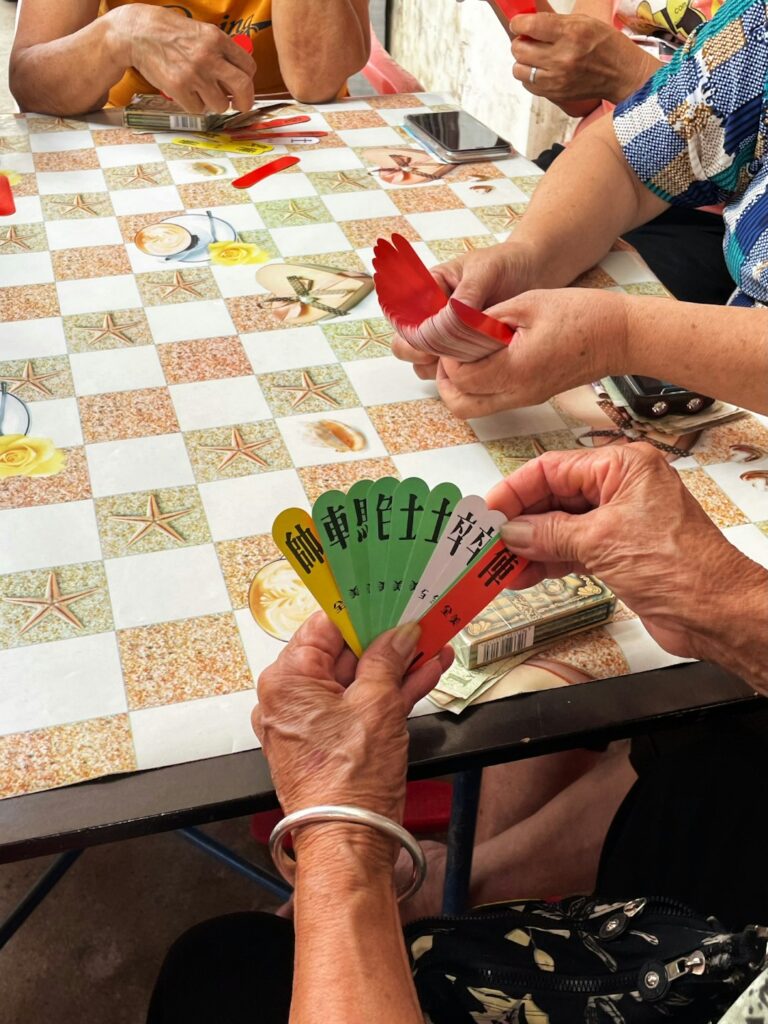
- Card games, puzzles, trivia, and board games
- Book discussions, current-events conversations, or educational talks
- Gardening, cooking demonstrations, and baking projects
- Movie afternoons and community celebrations
- Faith-based gatherings or quiet reflection
- Outings to parks, cultural attractions, libraries, or community events
- One-to-one visits, guided activities, and room-based options
The specific schedule varies by community, resident interests, staffing, building design, and season. A community with a strong activity program should offer choices rather than expecting every resident to enjoy the same events.
How do activities support health and well-being?
Recreation can support several areas of well-being at the same time. Physical activities may help residents maintain strength, flexibility, balance, and confidence with everyday movement. Even short periods of walking, stretching, or chair exercise can be meaningful when they are safe and consistent.
Social activities can reduce isolation by creating regular opportunities for conversation and companionship. Shared routines, such as morning coffee, an afternoon game, or a weekly music program, may help residents form relationships at a comfortable pace.
Creative and mentally stimulating activities also have value. Completing a craft, learning a new song, discussing a book, or solving a puzzle can encourage focus and self-expression. These activities should not be treated as tests of memory or ability. The experience matters more than the finished product or the score.
A balanced recreation program also recognizes emotional needs. Some residents enjoy lively groups, while others prefer quiet activities, familiar hobbies, or individual attention. Offering both social and private options helps residents maintain control over how they spend their time.
Do residents have to participate in group activities?
No. Residents should be invited, not pressured, to participate. A person may decline because of fatigue, pain, hearing difficulty, anxiety, cultural preferences, or a simple desire for quiet time.
Staff can make participation easier by explaining what an activity involves, offering transportation within the building, adjusting the length of the program, or providing a smaller group. A resident who does not attend a large event may still enjoy a conversation, a puzzle, music in a common area, or a visit from another resident.
Family members often assume that frequent attendance means a resident is adjusting well. That is not always the case. Some people prefer a few meaningful activities each week rather than a full calendar. The more useful question is whether the resident feels engaged, respected, and able to choose.
How can activities be adapted for different abilities?
Activities should be adaptable for residents with different mobility levels, hearing or vision needs, cognitive changes, and energy levels. Participation may look different from person to person.
Examples of useful adaptations include:
- Providing seated and standing versions of physical activities
- Using large-print instructions, cards, or reading materials
- Reducing background noise during conversations or presentations
- Offering visual demonstrations instead of relying only on spoken directions
- Breaking longer projects into simple steps
- Providing familiar music and repetitive rhythms
- Allowing extra time for responses or movement
- Offering individual participation for residents who find groups overwhelming
- Using easy-grip tools and lightweight materials for crafts
Residents living with dementia may benefit from familiar, sensory, and success-oriented activities. Folding towels, sorting objects, looking through family photographs, singing familiar songs, or arranging flowers can provide engagement without requiring complex instructions.
Adaptation should preserve dignity. Activities should not feel childish or designed only around limitations. Older adults bring personal histories, skills, humor, preferences, and opinions that should shape the program.
What should families ask about an activity calendar?

A calendar can show how often activities occur, but it does not always reveal their quality. Families and prospective residents may want to ask how the program is planned and how residents influence the schedule.
Useful questions include:
- How are resident interests gathered?
- Can residents suggest new activities?
- Are programs offered during mornings, afternoons, and evenings?
- What is available on weekends?
- Are there options for residents who prefer quiet activities?
- How are activities adapted for mobility or memory changes?
- Are outdoor activities available when weather permits?
- What happens when an activity is canceled?
- Are transportation and escorts available for outings?
- Can residents continue familiar hobbies independently?
- Are religious, cultural, and holiday preferences respected?
A good calendar usually includes variety, but variety alone is not enough. A schedule filled with events may still be unsuitable if activities are repetitive, difficult to access, or poorly matched to residents’ interests.
How does the local setting affect recreation?
In Aspinwall, PA, seasonal conditions can influence how residents spend time outdoors. Cold temperatures, snow, ice, heat, and heavy rain may limit walking or outdoor gatherings during parts of the year. Indoor alternatives are especially useful when sidewalks, driveways, or building entrances are slippery or uncomfortable to navigate.
During pleasant weather, residents may enjoy patios, gardens, short walks, outdoor games, or simply sitting outside with others. In denser residential areas, views of neighborhood activity, nearby streets, and changing seasons can provide stimulation even when a resident is not able to travel far.
Indoor programming remains important throughout the year. Comfortable common areas, good lighting, clear seating arrangements, and accessible restrooms can make it easier for residents to join activities safely. Recreation is not dependent on elaborate outings; a well-organized indoor program can be just as meaningful.
Can residents continue their old hobbies?
Often, yes. Continuing familiar interests can support identity and emotional comfort during a move to assisted living. A resident who enjoyed gardening may appreciate container plants or a small raised garden. Someone who loved woodworking may enjoy discussing projects, working with safe materials, or helping others plan a craft. A former teacher, musician, cook, mechanic, artist, or volunteer may find satisfaction in sharing knowledge.
Families can help by bringing labeled supplies, photographs, music, books, or other familiar items. It is wise to ask about storage, safety rules, and space limitations before bringing equipment. Some hobbies may need modification, but the underlying interest can often continue in a new form.
What makes an activity program meaningful?
Meaningful recreation is based on choice, familiarity, variety, and respect. It gives residents opportunities to connect with others while also supporting independence and personal identity.
The strongest programs usually combine scheduled group events with flexible, individual options. They also adjust over time as residents’ abilities, interests, and energy levels change. A resident does not need to attend every event to benefit from recreation. The measure of success is whether activities help people feel engaged in daily life, connected to others, and able to make choices about their own time.
