
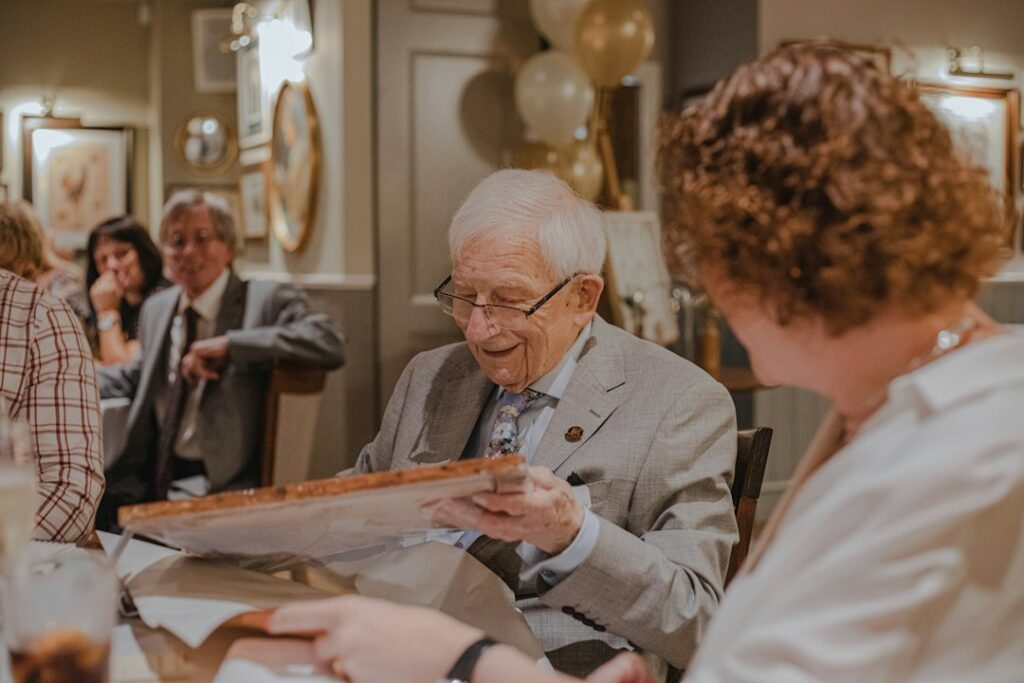
Assisted living can strengthen social connections by creating regular opportunities for conversation, shared activities, meals, and mutual support. For older adults in Aspinwall, PA, this structure may reduce isolation while still allowing personal privacy, independence, and contact with family and friends.
Why social connection matters in later life
Social connection affects more than mood. Regular interaction can support emotional well-being, confidence, daily routines, and a sense of belonging. Older adults who have consistent contact with others may also find it easier to stay engaged in hobbies, communicate concerns, and maintain motivation for ordinary tasks.
Loneliness is not always obvious. A person may live with family and still feel disconnected, particularly after retirement, the loss of a spouse, reduced driving, hearing changes, or health problems that make leaving home more difficult. Assisted living addresses some of these barriers by bringing social opportunities into the resident’s daily environment.
The goal is not to keep every resident busy at all times. Healthy social connection includes both participation and choice. Some residents prefer lively group settings, while others are more comfortable with one-on-one conversations or smaller gatherings.
How does assisted living create more chances to interact?
Assisted living communities usually build social contact into the rhythm of the day. Shared dining areas, lounges, activity rooms, outdoor spaces, and scheduled programs make it easier to encounter other people without arranging every visit in advance.
Common opportunities may include:
- Eating meals with others rather than dining alone
- Joining exercise, crafts, music, or discussion groups
- Participating in seasonal celebrations and cultural events
- Spending time in shared lounges or outdoor seating areas
- Attending educational programs or resident meetings
- Talking with staff members during ordinary daily routines
- Welcoming visiting relatives and friends in common spaces
Repeated, low-pressure contact can be especially valuable. A brief conversation at breakfast may become a familiar routine, and familiarity often helps friendships develop naturally.
Can assisted living help someone make new friends?
Yes. New friendships often form through repeated activities and shared interests rather than formal introductions. Residents may connect because they enjoy similar music, follow the same sports, grew up with comparable traditions, or simply like having coffee together.
The setting can also make social interaction less intimidating. A resident does not have to plan transportation, choose a public meeting place, or worry about whether another person is available. People are nearby, and shared spaces provide natural openings for conversation.
Friendships may develop gradually. A person who initially attends an activity only as an observer may later participate more actively. Someone who does not enjoy large groups may become comfortable with a neighbor, dining companion, or walking partner.
Staff can support this process by noticing shared interests, introducing residents respectfully, and avoiding pressure. Social connection works best when residents retain control over how, when, and with whom they interact.
What if a resident is shy, introverted, or living with memory loss?
Assisted living should not assume that every resident wants the same level of interaction. Introverted residents may prefer quiet visits, small groups, reading areas, or activities with a clear purpose. A person may enjoy being near others without speaking frequently.
Residents with memory loss may also benefit from connection, although conversation and activities may need to be adapted. Familiar music, simple games, sensory activities, photo conversations, and predictable routines can make participation easier. Staff and family members may need to focus less on perfect recall and more on comfort, recognition, and shared experience.
Helpful approaches often include:
- Offering choices instead of issuing demands
- Using clear, respectful conversation
- Allowing extra time for responses
- Reducing background noise when hearing or attention is limited
- Choosing familiar activities with understandable steps
- Accepting quiet participation as a valid form of engagement
A resident should not be labeled “unsocial” simply because large gatherings are uncomfortable. The right type of contact may be quieter and more personal.
How do meals support social well-being?
Shared meals are one of the most consistent social features of assisted living. Dining together gives residents a regular time to talk and creates a daily reason to leave a private apartment or room.
Mealtimes can support connection in several ways. Residents may sit with familiar companions, meet new people, or enjoy conversation without needing to plan an activity. Staff may also recognize changes in appetite, mood, or participation that could otherwise go unnoticed.
Dining preferences matter. Some residents like a lively table, while others prefer a quieter setting or a smaller group. Seating arrangements may affect whether a person feels included, especially if hearing, vision, mobility, or communication challenges are present.
In a community shaped by changing weather, shared indoor spaces can become particularly useful during colder, rainy, or icy periods when outdoor visits and neighborhood activities are less convenient. Indoor social routines help residents maintain contact throughout the year.
Does assisted living replace family relationships?
No. Assisted living can supplement family relationships, but it should not replace them. Relatives and close friends remain important sources of identity, history, emotional support, and personal advocacy.
A resident may have more satisfying family visits when daily social needs are not placed entirely on relatives. Instead of family members feeling responsible for providing all companionship, visits can focus on meaningful conversation, shared memories, walks, hobbies, or participation in a community event.
Family members can support connection by:
- Asking about people the resident enjoys spending time with
- Visiting at times that match the resident’s energy and routine
- Bringing familiar photos, music, or conversation topics
- Joining a meal or activity when appropriate
- Staying in touch through phone or video communication
- Watching for signs of withdrawal, distress, or unwanted contact

The quality of connection matters more than the number of visitors. A short, attentive visit may be more meaningful than a long visit filled with distractions.
What social challenges can still occur?
Assisted living reduces some barriers to connection, but it does not eliminate loneliness. A resident may struggle after moving, especially if familiar neighbors, routines, or possessions are left behind. Hearing loss, depression, pain, fatigue, mobility limitations, and language differences can also affect participation.
Some residents may feel left out of conversations or unsure how to enter an established social group. Others may attend activities but remain emotionally disconnected. Staff and family members should pay attention to changes such as:
- Spending much more time alone than usual
- Skipping meals or previously enjoyed activities
- Showing sadness, irritability, or anxiety after social events
- Frequently saying that nobody visits or understands them
- Losing interest in personal routines or hobbies
- Appearing confused or overwhelmed in group settings
These signs do not prove that a person is lonely, but they warrant a thoughtful conversation. Adjustments may include smaller gatherings, different seating, quieter activities, transportation assistance, hearing support, or more individualized attention. Persistent sadness, hopelessness, or major behavioral changes may require evaluation by a qualified healthcare professional.
How can residents choose social opportunities that fit them?
The strongest social routine is one that feels realistic and personally meaningful. During a transition to assisted living, residents and families can consider whether the setting offers varied options rather than relying only on large group activities.
Useful questions include:
- Are there quiet spaces as well as busy common areas?
- Can residents choose whether to dine alone or with others?
- Are activities available at different times of day?
- Are outdoor areas usable when weather permits?
- How are new residents introduced to the community?
- Can activities be adapted for mobility, hearing, vision, or memory needs?
- Are family visits and private conversations accommodated?
- How are residents’ cultural, religious, and personal preferences respected?
Social connection is most sustainable when it is woven into ordinary life: a familiar greeting, a shared meal, a conversation after an activity, or a neighbor who notices when someone is absent. Assisted living can provide the setting for those relationships, while each resident retains the right to choose the pace and type of participation that feels comfortable.
